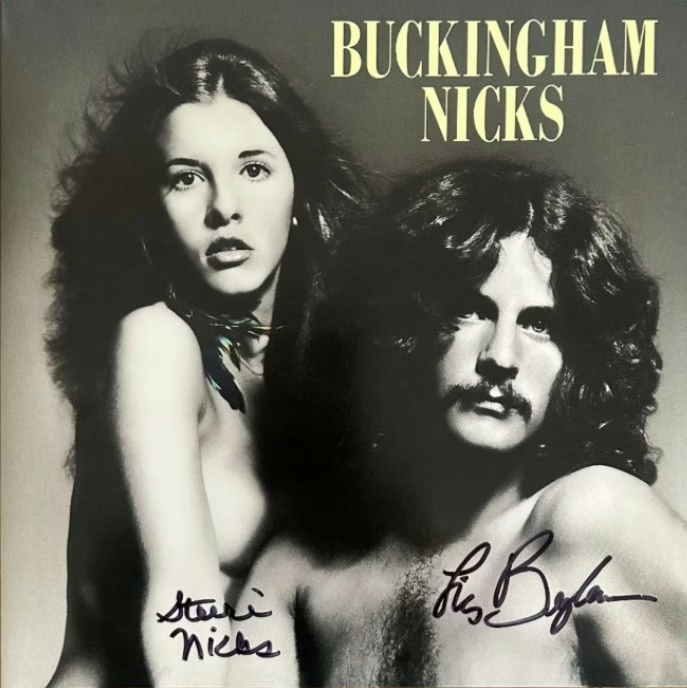
Register for a chance to win a signed Buckingham Nicks vinyl. Runners up will receive a signed poster. Sign up at https://buckinghamnicks.rhino.com. Contest ends December 31, 2025. Winners will be selected on January 7, 2026.
Category: Buckingham Nicks (1973)
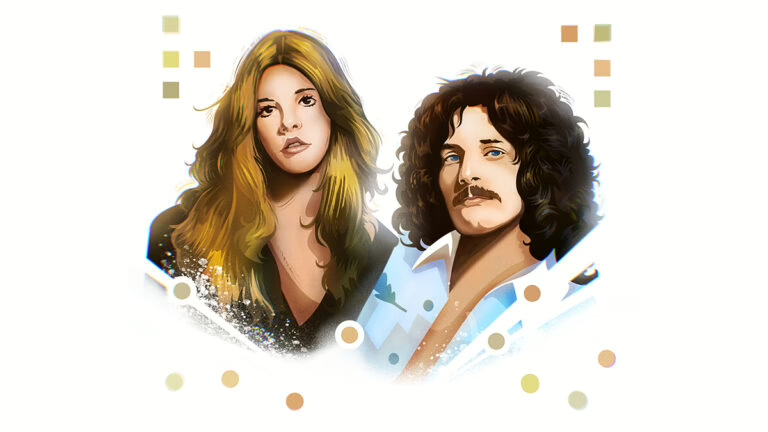
Buckingham Nicks talk ‘Frozen Love’
Lindsey Buckingham and Stevie Nicks looked back on the recording of “Frozen Love,” the epic closing track from their 1973 album Buckingham Nicks. In separate interviews recorded for Hrishikesh Hirway‘s music podcast Song Exploder (Episode 302), the former musical pair shared the song’s origin story, from Nicks’ compelling lyrics to Buckingham’s intricate guitar-playing and instrumentation.
The podcast explores the rich layers of “Frozen Love,” highlighting its isolated vocal tracks to reveal the song’s unique harmonies.
Credits
Illustration by Carlos Lerma.
footnotes:
Gary Hodges – drums
Buckingham Nicks (album)
“California Dreamin” – The Mamas & The Papas
Fritz – members Javier Pacheco (songwriting) and Bob Aguirre (drums)
Chicago, Fillmore West, and Jimi Hendrix
James Taylor and Joni Mitchell
Wuthering Heights and Great Expectations
Jimmy Page, Led Zeppelin, and “Stairway to Heaven”
Joe Gottfried – owner of Sound City Studios.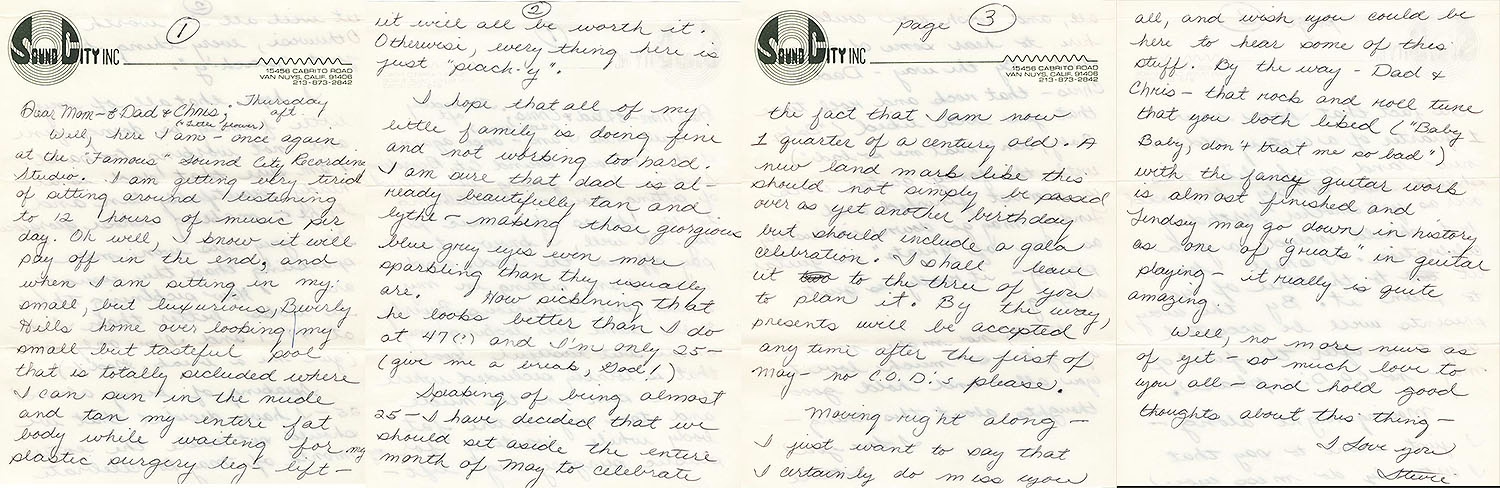
Stevie Nicks shares letter to family written 50 years ago
Stevie Nicks has shared a letter that she wrote to her family while recording Buckingham Nicks, presumably in the spring of 1973 just before Stevie’s 25th birthday.
I wanted to share this letter I wrote to my family while Lindsey and I were making Buckingham Nicks. My mom saved it and it’s been in a drawer for over 50 years.
Dear Mom and Dad and Chris,
Well, here I am – once again at the “famous” Sound City Recording Studio. I am getting very tired of sitting around listening to 12 hours of music per day. Oh well, I know it will pay off in the end, and when I am sitting in my small but luxurious Beverly Hills home overlooking my small but tasteful pool that is totally secluded, where I can sun in the nude and tan my entire fat body while waiting for my plastic surgery leg lift – it will all be worth it. Otherwise, everything here is just “peach-y”.
I hope that all of my little family is doing fine and not working too hard. I am sure that dad is already beautifully tan and lythe – making those gorgeous blue grey eyes even more sparkling than they usually are. How sickening that he looks better than I do at 47(?) and I’m only 25. (Give me a break, Dad!)
Speaking of being almost 25 – I have decided that we should set aside the entire month of May to celebrate the fact that I am now 1 quarter of a century old. A new landmark like this should not simply be passed over as yet another birthday, but should include a gala celebration. I shall leave it to the three of you to plan it. By the way, presents will be accepted any time after the first of May – no C.O.D’s please.
Moving right along – I just want to say that I certainly do miss you all, and wish you could be here to hear some of this stuff. By the way – Dad and Chris – that rock and roll tune that you both liked (“Baby Baby, don’t treat me so bad”) with the fancy guitar work is almost finished and Lindsey may go down in history as one of “greats” in guitar playing. It really is quite amazing.
Well, no more news as of yet – so much love to you all – and hold good thoughts about this thing.
I love you,
Stevie
SOLD OUT! Buckingham Nicks numbered limited-edition, high-fidelity vinyl
UPDATE: The two limited-edition, high-fidelity vinyl releases of Buckingham Nicks have already sold out! The unnumbered high-fidelity vinyl, alternate baby blue vinyl, and standard CD are still available from Rhino. The CD is also available from Amazon ($14.98).
On Wednesday morning, Rhino Records announced that two new, limited-edition, high-fidelity vinyl reissues of the elusive 1973 album Buckingham Nicks are now available for preorder. “First to Know” subscribers received an email notification of the highly anticipated release, which features Lindsey Buckingham and Stevie Nicks’s pre-Fleetwood Mac collaboration. Buckingham Nicks will be reissued on Friday, September 19.
Preorder links for both editions appear below. Standard editions are expected to be available for preorder soon.
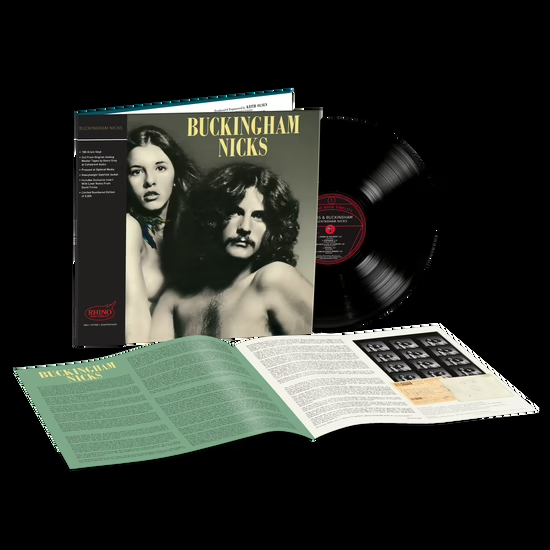
BUCKINGHAM NICKS (RHINO HIGH FIDELITY) – PREORDER NOW – $39.98
- AAA cut from the original stereo master tapes by Kevin Gray
- Pressed on 180-gram heavyweight vinyl at Optimal
- Heavyweight glossy gatefold jacket
- Features an exclusive insert with new liner notes from David Fricke “In Conversation with Stevie Nicks and Lindsey Buckingham”
- Limited numbered edition of 5,000
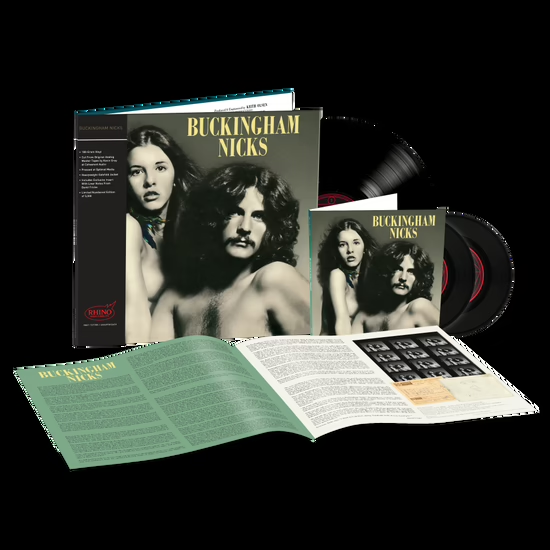
BUCKINGHAM NICKS (RHINO HIGH FIDELITY) (SINGLES EDITION) PREORDER NOW – $79.98
- AAA cut from the original stereo master tapes by Kevin Gray
- Pressed on 180-gram heavyweight vinyl at Optimal
- Heavyweight glossy gatefold jacket
- Features an exclusive insert with new liner notes from David Fricke “In Conversation with Stevie Nicks and Lindsey Buckingham”
- Limited numbered edition of 5,000
- Buckingham Nicks 7-inch singles
- “Crying In The Night” b/w “Stephanie”
- “Don’t Let Me Down Again” b/w “Races Are Run”
- Limited to 2,000 bundles
BUCKINGHAM NICKS (CD EDITION) PREORDER NOW $14.98
- Crying in the Night (2025 Remaster)
- Stephanie (2025 Remaster)
- Without a Leg to Stand On (2025 Remaster)
- Crystal (2025 Remaster)
- Long Distance Winner (2025 Remaster)
- Don’t Let Me Down Again (2025 Remaster)
- Django (2025 Remaster)
- Races Are Run (2025 Remaster)
- Lola (My Love) [2025 Remaster]
- Frozen Love (2025 Remaster)
Product description
“[We] knew what we had as a duo, two songwriters that sang really well together. And it was a very natural thing, from the beginning.” – Stevie
“… it stands up in a way you hope it would, by these two kids who were pretty young to be doing that work.” – Lindsey
BUCKINGHAM NICKS, the only studio album by Lindsey Buckingham and Stevie Nicks as a duo, will be reissued for the first time on September 19th. Originally released in 1973 and unavailable for decades, the album has been sourced from the original analog master tapes for its long-awaited return to vinyl.
Released on September 5, 1973, BUCKINGHAM NICKS quickly faded from commercial view but never disappeared from the cultural conversation. Recorded at Sound City Studios in Los Angeles and produced by Keith Olsen, the album introduced Nicks and Buckingham’s tightly wound harmonies and sharply contrasting songwriting voices across 10 tracks—ranging from the folk-rock shimmer of “Crystal” to the sunbaked strut of “Don’t Let Me Down Again.”
Its legend only grew with time. In late 1974, Mick Fleetwood visited Sound City while scouting studios to record Fleetwood Mac’s next album. To showcase both his production work and the studio’s sound, Olsen blasted “Frozen Love” for Fleetwood in Studio A. The song reflected the full scope of the album’s ambition and chemistry—and immediately caught the drummer’s attention.
Soon after, when Fleetwood Mac guitarist Bob Welch left the band, Fleetwood reached out to offer Buckingham the spot. Instead of agreeing, Buckingham insisted that he and Nicks were a package deal. Fleetwood agreed, and on New Year’s Eve 1974, the two officially joined Fleetwood Mac — launching one of the most celebrated chapters in the band’s history.
Though their work with Fleetwood Mac would eclipse it commercially, BUCKINGHAM NICKS endures as a testament to what came just before: a partnership in full creative bloom.
More on the SINGLES EDITION – like the LP, the singles have been AAA cut from the original stereo master tapes by Kevin Gray, pressed at Optimal, and packaged in a heavyweight gatefold with Rhino HiFi branded polys. Limited to 2,000, you’ll want to grab a copy while you can!
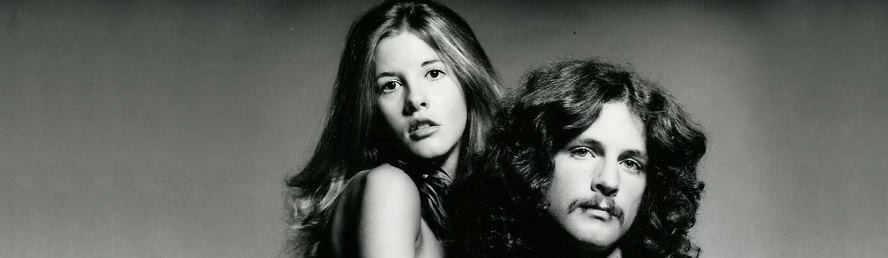
Buckingham Nicks reissue confirmed for September 19
It’s finally happening! Stevie Nicks and Lindsey Buckingham’s highly sought-after 1973 album, Buckingham Nicks, is officially set for reissue on September 19.
The news broke today with the appearance of a new promotional billboard on Sunset Boulevard in Los Angeles, immediately setting social media ablaze as excited fans shared their photos.
Details about the reissue are still under wraps, but the confirmation alone has sent anticipation soaring among fans of the iconic duo.
#BuckinghamNicks #LindseyBuckingham #StevieNicks pic.twitter.com/jPJJo0aAsu
— 77BlueJays (@77BlueJays) July 22, 2025
stevie nicks & lindsey buckingham on a billboard together. buckingham nicks is officially happening. september 19. this is at 7365 sunset blvd & no it’s not photoshop or AI or anything else i saw it with my own two eyes that i cried tears out of after pic.twitter.com/vTdkHwZLNn
— 💫 (@ChristinaD23) July 21, 2025

Buckingham Nicks rumors reach a fever pitch: Is a reissue finally happening?
It seems fans’ long-held dream may finally be coming true: the legendary Buckingham Nicks album, the sole joint effort from Lindsey Buckingham and Stevie Nicks, appears poised for a highly anticipated return in the coming days or weeks. Social media has been buzzing with clues, leading many to speculate that this elusive record, which hasn’t seen an official reissue in decades, might be resurfacing in a remastered form – perhaps even making its debut on CD or reappearing across various formats.
Fans abuzz over social media posts
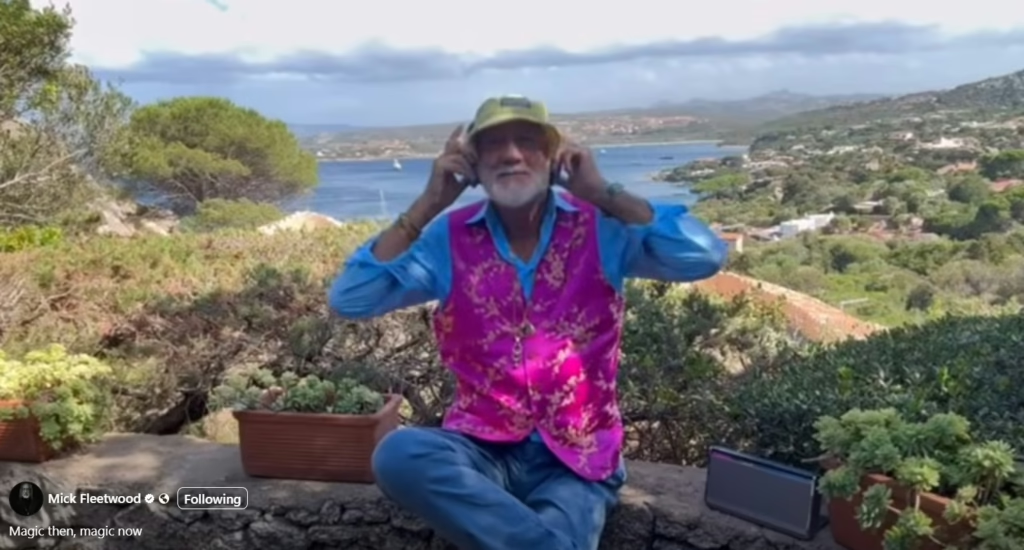
The excitement began building on Wednesday when Fleetwood Mac drummer Mick Fleetwood dropped the first hint, sharing a clip of himself listening to the Buckingham Nicks track “Frozen Love” from his sprawling Maui estate. The intrigue deepened on Friday when Stevie Nicks posted handwritten lyrics from the song, “And if you go forward,” on social media. In a move that sent fans into a frenzy, Lindsey Buckingham swiftly followed up, completing the lyric with his own handwritten “I’ll meet you there.”
Why a Buckingham Nicks reissue makes sense now
With a Fleetwood Mac documentary underway, Stevie Nicks’ arena tour kicking off in August, and the upcoming September 5 anniversary of the original Buckingham Nicks album, the release presents a golden opportunity. A timely reissue of this now classic album would significantly amplify the promotional impact of both the documentary and Nicks’ tour, creating a unifying moment for fans and new listeners alike. Like Fleetwood Mac’s self-titled 1975 album, Buckingham Nicks was crafted with pride at the legendary Sound City Studios in Van Nuys, California, both albums produced by late producer Keith Olsen.
Will McVie’s passing finally mend rift between Buckingham and Nicks?
It’s no secret that Lindsey Buckingham and Stevie Nicks have had a tumultuous history since their 1976 split. Their professional dynamic, at times barely civil and often openly hostile, played out publicly through their songwriting, with each artist channeling their personal feelings into their music. Outside of Fleetwood Mac projects, their estrangement deepened, culminating in Buckingham’s dismissal from the band in 2015. However, the recent passing of Christine McVie in 2022 appears to have spurred a fragile reunion. The lingering question remains: will this newfound truce endure?
We shall see what develops! See below for additional clues regarding the imminent Buckingham Nicks reissue.
Timeline of Clues
Wednesday, July 16, 2025 – Mick Fleetwood posts a clip of him listening to Buckingham Nicks’ “Frozen Love” from his Maui home, saying the song was “magic then, magic now.”
Thursday, July 17, 2025 – Stevie Nicks posts handwritten lyrics “And if you go forward” from “Frozen Love.”
Thursday, July 17, 2025 – Lindsey Buckingham completes the lyric with his handwritten response, “I’ll meet you there.”
Unknown date – Rhino Records creates a new marketing banner for Buckingham Nicks.

Unknown date – YouTube labels Buckingham Nicks clips “(2025 Remaster)” in the description fields of the Buckingham Nicks videos uploaded by fans (image below).

Rare Buckingham Nicks tracks surface
Some rare Buckingham Nicks-era tracks have recently surfaced, including songs that may have been intended for a second Buckingham Nicks album.
Thank you to Sandor Molnar for sharing these demos and Jeremy Rabun for enhancing their sound quality.
Going Home
Yesterday I Saw the World
Races Are Run
Crying in the Night
Lola
Revisiting Buckingham Nicks
Stevie Nicks and Lindsey Buckingham made a fine pop record pre-Fleetwood Mac.
Permanent Records is an ongoing closer look at the records that matter most.
Anyone who’s ever flipped through the dollar bin at a used vinyl store is familiar with the kind of old LPs that land there. Christmas albums. Children’s sing-alongs. Weird spoken-word rants. Campy celebrity vanity projects. K-Tel collections galore. And, occasionally, a record that looks like it could be big-time, even though the artist is unfamiliar. Maybe the cover art looks polished, or maybe it came out on a major label. Whatever the reason, the very existence of the album stops the shopper for a few seconds, and raise questions. Why’d these artists get signed? Why didn’t they have any hits? Does the music sound like a more generic version of everything else that was on the charts at the time, or did it flop because it was too original?
 Take this one, for example:
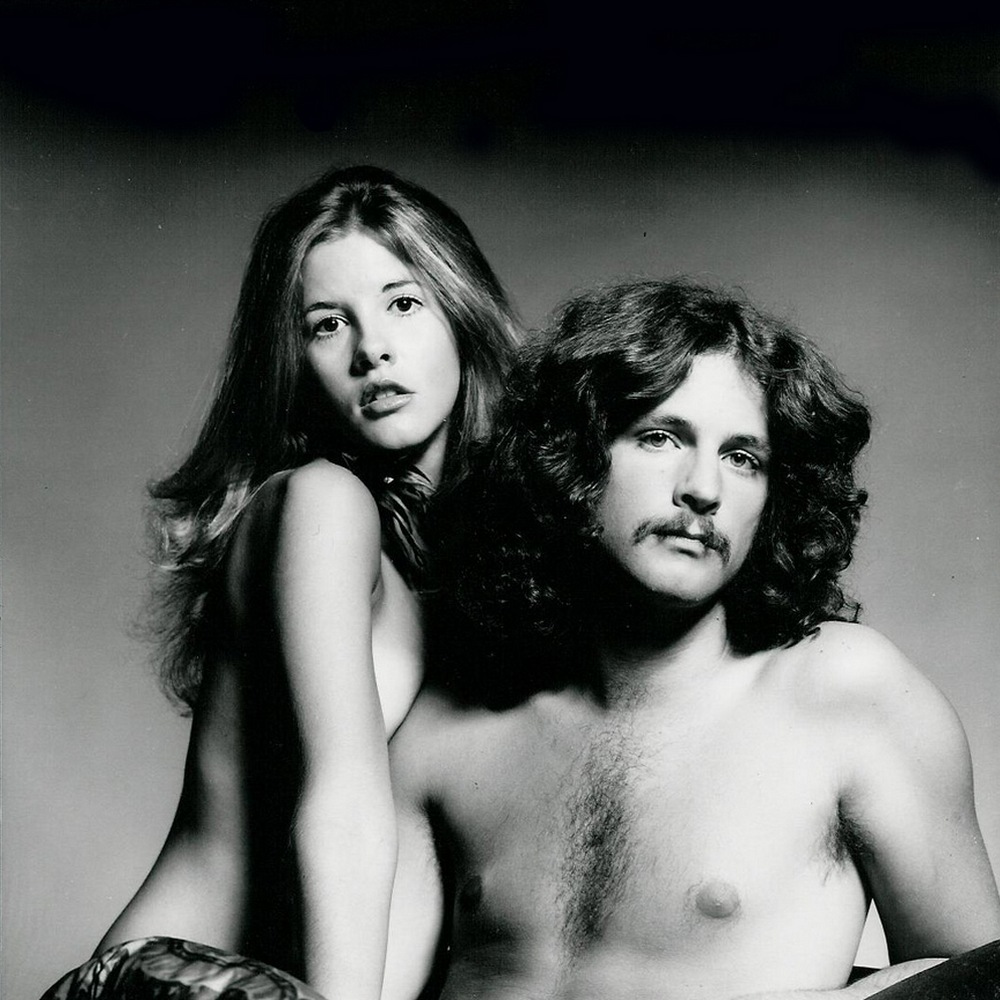
This was a Polydor release, so the attractive, bare-chested, ultra-1970s pair on the front probably received a decent amount of money to sign their contract and cut the record. And while it’s hard to tell from their look what the group’s sound is (singer-songwriter folk? shaggy glam? Hall & Oates-style blue-eyed soul?), they’re certainly both pretty enough to be marketable. Nevertheless, Buckingham Nicks sold poorly, generated no hit singles, and was quickly dumped into the remainder racks, forcing the duo to take day jobs while they contemplated whether they should continue to pursue careers in the music business. In the original edition of The Rolling Stone Record Guide, critic John Milward gives the album two stars out of five, and dismisses it as, “pleasant, albeit middleweight Los Angeles folk-rock.”
Milward was being ungenerous—but he’s not entirely wrong. Buckingham Nicks is only 35 minutes long, and about a third of its tracks feel like filler. The second song, “Stephanie,” is a pretty-but-slight acoustic guitar exercise, as is the one-minute “Django” on side two. “Lola (My Love)” is a dreary, unconvincing stab at swampy blues-rock; and while the uptempo guitar-pop ditty “Without A Leg To Stand On” is one of the LP’s best tracks, it’s over and done in just two minutes. On a longer album, all of these songs might fit into a bigger picture. But there’s no grand design to Buckingham Nicks. It does build to an impressive, semi-epic closer, “Frozen Love,” but for the most part this record is a showcase for four potential chart-toppers: “Crying In The Night,” “Don’t Let Me Down Again,” “Long Distance Winner,” and “Crystal.”
 But even if Lindsey Buckingham and Stevie Nicks hadn’t gone to multiplatinum success with Fleetwood Mac just two years later, any fan of mid-1970s west-coast pop should’ve been able to recognize the excellence of those four key Buckingham Nicks songs. “Crying In The Night” kicks off the album with soaring harmonies, an appealingly chunky beat, and an overall style that’s just a little too dry to qualify as country-rock. “Don’t Let Me Down Again” starts side two with driving rhythms and a choogling guitar line that transforms Buckingham’s virtuosity into stormy rock ’n’ roll. “Long Distance Winner” is a solid early example of the witchy atmospherics that would soon become Nicks’ stock-in-trade. And “Crystal” brings it all together, following a winding line that allows the guitar, the vocals, and producer Keith Olsen’s clean sound all to shine.
In the RSRG review, Milward writes, “Stevie Nicks and Lindsay Buckingham present narcotic voice and guitar respectively, although only ‘Crystal’ gives a hint of what would galvanize when they joined Fleetwood Mac and made two of the best-selling LPs of the Seventies.” Fleetwood Mac re-recorded the song for its self-titled 1975 release, which was the first album to feature Buckingham and Nicks, and the one that resuscitated the fortunes of all concerned.
When Rolling Stone first reported on the addition of Buckingham and Nicks to Fleetwood Mac, the magazine didn’t have much to say about the new members’ major label past, and instead focused mainly on whether the band could weather the departure of popular singer-songwriter-guitarist Bob Welch (the man responsible for the few Fleetwood Mac songs that were still getting radio play at the time). Elliot Kahn’s article reads:
Welch’s departure was just one more in a long line of setbacks to overcome. Within two months of his leaving they were in the studio with two new members, guitarist Lindsey Buckingham and vocalist Stephanie (Stevie) Nicks, recording a new album called Fleetwood Mac, which shows signs of being their most successful effort since the release of Bare Trees three years ago. Mick Fleetwood actually heard a tape of their Polydor album, Buckingham Nicks, the week before Welch quit; when there was an opening, he thought of them and played their record for John and Christine McVie and they all invited Lindsey and Stevie to join the band without ever having played with them onstage. … At the time Lindsey and Stevie were languishing in Los Angeles, having been dropped by Polydor after the poor sales of their album. They were in the midst of recording a demonstration tape when the offer from Fleetwood Mac came out of nowhere. Lindsey intimated that their acceptance of the offer was surprisingly less than automatic. “We were really excited about our tapes, and I wasn’t so thrilled about what Fleetwood Mac had done in the years with Bob Welch. But then we thought about the benefits and said, ‘Of course.’ I think it’s working out well for all of us.”
 That last line is what’s called “an understatement.” Fleetwood Mac was a monster success. The follow-up, 1977’s Rumours, was even bigger. And then the divisive masterpiece Tusk in 1979 revealed the extent of Buckingham’s mad genius as a producer and guitarist. (If nothing else, Tusk is the kind of album where a song like “Django” would’ve fit right in, seamlessly.)
It’s because of the Fleetwood Mac connection that Buckingham Nicks won’t be found in any dollar bins. (Unless they’re being stocked by some clueless clerk, that is. There’s nothing vinyl collectors love more than vendors who don’t know what the value of what they’re selling.) A quick scroll through eBay shows vinyl copies going from $50 to $100, generally. But given how popular all things Fleetwood Mac-related are—especially among people who grew up in the 1970s and 1980s— it’s odd that Buckingham Nicks isn’t talked about more, or held in higher esteem. Odd, but not inexplicable. Fleetwood Mac fans do know about Buckingham Nicks. The problem is that a majority of them have never heard it.
Some rare albums are hard to hear because there’s not enough of a market for a reissue, while others get tangled up for contractual reasons. But no one can seem to explain why Buckingham Nicks has never (legally) been released on CD, and isn’t (legally) available to download. There’s definitely a demand for it, and no apparent concerns about who owns the rights to the music. As recently as 2012, in an interview with Andy Greene for Rolling Stone, Buckingham and Nicks both expressed an interest in re-releasing the record, perhaps for its 40th anniversary in 2013. But this never happened, and again, the reasons are vague.
Buckingham and Nicks apparently consider their debut album to be a part of their musical legacy. Along with “Crystal,” Fleetwood Mac used to play “Frozen Love” and “Don’t Let Me Down Again” in concert, and even included the latter on its 1980 live album. Nicks has kept “Long Distance Winner” in her repertoire, while Buckingham has included “Stephanie” in his solo sets.
But in that 2012 Rolling Stone article, both seem to treat a reissue as a complicated ordeal that may not be worth their time. Nicks talked about polishing up some bonus tracks and then hitting the road with the old band—which would include in-demand session-player Waddy Wachtel. Buckingham couldn’t figure out how to fit archive-digging, remastering, and promotion into their already busy schedules of making solo records and gigging with Fleetwood Mac. And so… nothing.
For what it’s worth, there’s already a very nice “deluxe edition” of Buckingham Nicks available on-line, for free—found with minimal Googling. In addition to a crisp-sounding version of the original album, the set adds the single edits of “Don’t Let Me Down Again” and “Crying In The Night,” plus some songs that didn’t make it onto the record (including an early take on “Sorcerer,” which Nicks would revive decades later for one of her solo albums) and a few live performances (including the first time Nicks sang “Rhiannon” in public, pre-Mac).
https://www.youtube.com/watch?v=nDHpcnHGYkM
The point being: It’s probably not as difficult as Buckingham or Nicks seem to think to reissue the album. It would just require them to agree to do it, without thinking about the project as some kind of major corporate launch. A tour would be nice, but inessential. If there’s more bonus material to add than has already leaked on-line, great, but the fake “deluxe” version is amply stocked as it is. Theoretically, the duo could start selling the record on iTunes tomorrow, if they really wanted to. But maybe after spending 40 years as two of the richest, most famous, most beloved rockers of their generation, it’s hard to go back to thinking small.
That’s what’s so fascinating about the major-label also-rans and never-weres that turn up in the dollar bin. Each represents a story that’s mostly gone untold, except to those who knew band personally. It’s a story about getting seduced by the money and promises of the recording industry, then enduring compromises and humiliations while trying to produce something commercial enough to justify the label’s expenses. Buckingham and Nicks came out of the other side of that combine okay. But if Mick Fleetwood had never picked up the phone, who knows? All they might’ve had to show for their years as professional musicians is one half-realized LP, brimming with a promise only recognized by those willing to pony up a buck.
Noel Murray / AV Club / 29th September 2015

Buckingham Nicks reissue in the works?
Lotus Mastering — a Los Angeles-based sound engineering studio whose roster of clients includes Green Day, Eric Clapton, and Madonna, among many others — tweeted the above picture of what appears to be the original analog tapes for Stevie Nicks and Lindsey Buckingham’s 1973 album Buckingham Nicks.
On Wednesday, Lotus tweeted: “Completed an analog archive of Stevie & Lindsey Buckingham Nicks (1973) for Polydor Records. Preserving and digitizing the analog master tapes. No idea if they plan to re-release.”
Although Lotus couldn’t confirm any firm reissue plans, the fact that Stevie and Lindsey are making new digital masters of their debut recording is a curious development, to say the least. The album currently remains without a record label, but rumors indicate that Stevie and Lindsey have been negotiating with Warner Bros. behind closed doors to work out a deal. With a 40th anniversary to commemorate on the heels of a soldout Fleetwood world tour, this may be the golden opportunity to finally reissue the album on CD. Will they seize the moment?

Back on the chain gang
 WE’RE THE LOVINGEST, FIGHTINGEST, DRUGGINGEST BAND OF THE ‘70s. TWENTY YEARS LATER, THE PSYCHODRAMA CONTINUES …
TWENTY MINUTES AFTER COMING OFFSTAGE IN Burbank, Calif., Stevie Nicks and Christine McVie look just a touch stunned in the unsparing light of a trailer that’s serving as their ad hoc lounge. A film of sweat fights it out with their foundation makeup. They’ve just played go minutes’ worth of what was meant to be Fleetwood Mac gems. Tonight’s show wasn’t entirely to their liking: Nicks muffed the first verse of “Dreams” while crane-mounted TV cameras cruised and snooped, and McVie simply seemed to be hoarding strength for the next taped show Friday evening, I9 hours from now. They have the wideeyed graciousness of party givers who can’t get their guests to leave as they politely shake hands and slump back beside a zealously beaming Winona Ryder, who rises to depart with a fervent observation: “Weren’t they amazing?”
You can see on the ladies’ faces that they don’t feel that amazing tonight, but they’re glad for Ryder’s dewy-eyed vote of confidence. When a man is tired of London, said the essayist, he is tired of life; and if you tire of this rejuvenated band, you are tired of, well, classic rock. You could feel both audience and band rediscovering that in the first few measures of the first number, “The Chain”: Mick Fleetwood’s peaty bring-out-your-dead opening drumbeats; Lindsey Buckingham’s astringent guitar; Christine McVie, Nicks and Buckingham’s baleful harmony “Listen to the wind blow/Watch the sun rise . . .”; and John McVie’s darkly muttering bass combined to pretty well blow the dust off the legacy and bring you forward in your seat – this is as bleakly intoxicating as what the trade magazines call pop music can get. By the time Buckingham was squeezing out an anguished “And if you don’t love me now/ You will never love me again,” he had reclaimed, at 47, the title of angriest dog in rock. Fleetwood’s face, which in repose is capable of a kind of distracted, offputting gravity that wouldn’t be out of place in an old German vampire movie, creased happily as he patted the song to a close.
 It’s from 1977’s Rumours, of course, the only cut on which all five shared the writing credit. It’s also the band’s old and new testament to its own tortured togetherness, because it perfectly captures the ominousness of that chain letter warning you of loneliness and loss: “I can still hear you saying/You must never break the chain.”
As we know, this band did individually suffer whether because it broke the chain or because it really could not – a string of woes including but not limited to heartbreak, enmity, alcoholism, cocaine addiction, penury, divorce, carpal tunnel syndrome and, as Fleetwood tried to pound the body back to life, being sandwiched on a nostalgia package tour, in 1995, between REO Speedwagon and Pat Benatar. In place of FRED SCHRUERS last wrote about Fleetwood Mac in RS 344, when he traveled to Ghana with Mick Fleetwood.
Buckingham and Nicks, that Mac iteration featured such unlikely figures as one-time Traffic operative Dave Mason and Bekka Bramlett, daughter of the redoubtable ‘70s rock duo Delaney and Bonnie.
It was Buckingham, of course, who left the gate open for the impostors with his repeated walkouts on the band, but he is also the creative linchpin of the fivesome. Nicks had her solo hits like “Edge of Seventeen” and a pair of great duets with Tom Petty; Christine McVie is a viable solo artist with (like Nicks and Buckingham) a label deal at the Mac home base of Warner/Reprise; and Fleetwood and bassist John McVie are always employable as what Fleetwood calls “gigsters” – but Buckingham is the tormented genius you could lift out of ‘7os rock and set down, with his fierce chops and raging vocals, anywhere you like.
Among the mixes for his next solo album, which is on hold as the band tours, is a cut that takes its title from the last word of the lyric “Think of me, sweet darlin’, every time you don’t come” and features a honking guitar workout that should serve as a do-yafeel-lucky-punk invitation to any doubting arrivistes who haven’t replaced their six-strings with samplers. Buckingham’s back-to-back performances of “Big Love” and “Go Insane” (the latter of which shows up only on the long-form, costs-money video version of the band’s new live album, The Dance) made the audience in Burbank stand up peering, midway through the generally sedate tapings, like a crowd watching stock cars flip over.
The wall chart of the Mac’s fortunes goes in its rough strokes by io-year jumps, at least in the Buckinghamcentric view of things: from 1967, their founding as an English blues band; to 1977, when Buckingham and Nicks invigorated the band’s 25 million-selling Rumours; to 1987, when, after the torturous Tango in the Night sessions at Buckingham’s house, he balked at touring and was sent away; and now to 1997, when Buckingham has been persuaded to join up again and co-produce The Dance. The question that hangs over the entire enterprise is whether the current U.S. sweep of 43 dates in major cities will turn into a world tour. And while Nicks and Christine McVie hint that they may yet opt out of the larger plan, it’s really Buckingham’s call to make.
 “You know,” says Nicks, who still wears chiffon but is a good deal more battle-hardened (and speaks a bit deeper) than the hippie priestess of one’s former imaginings, “Lindsey made a whole lot more money than everybody else did because he produces. The producers get paid first. And he probably didn’t spend nearly as much money as everybody else did; he lives way simpler. So he didn’t have to do this for money, you know. The rest of us would all like to put something away for, you know, our golden twilight years. But he has to want to do it, or we don’t want to do it, either.”
If Buckingham is the brains of the operation, Fleetwood is the heart and viscera, keeping the beat going in every sense. Picture him just a few years ago, Rumours money squandered, brandy bottle near, coked out and lying in a borrowed bed in a damp cellar watching soap operas, and you know this is a heart through which hard times and bad habits could not drive a stake.
The reunion may have been inevitable from the moment that Buckingham invited Fleetwood to help with his solo album. “I had some ambivalence about Mick,” Buckingham says. “He was clearly into my album, and yet I knew he was to a substantial degree instigating this whole band thing. I couldn’t be mad at him, because Fleetwood Mac is his life’s blood, really. He’s spent his whole life trying to keep the ship afloat.
“Everyone has said to me, `This is going to be a good thing for you,’ and, of course, you kind of are suspicious of their motives, too. I’m a suspicious guy. I’m working on that.”
LINDSEY BUCKINGHAM WAS BORN TO RELATIVE privilege in Palo Alto, Calif., and raised nearby in Atherton. His father, Morris, ran a coffee plant (“Small and slowly not doing so well and eventually went under”); two older brothers were golden, suburban jock types – brother Greg won a silver medal for swimming in the ‘68 Olympics. Lindsey was a high school junior singing “California Dreamin’ “ at somebody’s house when transfer student Stephanie Nicks, a senior, saw him. Two years later, she was the chick singer and he the bassist in a post-high school band called Fritz. It was understood that none of the guys would hit on her. But when Nicks and Buckingham migrated to Los Angeles to shop the band’s demo (he was on guitar by now), they were tapped by the Polydor label – without their band mates. In Nicks’ room at the Tropicana Motel, confusion was sown, innocence lost. “Why it happened between me and Lindsey was because we were so sad that we had to tell the three guys in the band that nobody wanted them, only us,” she says.
Once they’d broken up with the band and their respective steadies, “our relationship was great,” says Nicks. “We had other problems: didn’t have a lot of money, alone in L.A., didn’t have our families, no friends, didn’t know anybody. But we had each other. “I knew that we were going to be somebody,” says Nicks. “I think that he had a little bit less belief in the fact that we would really make it big. I always knew.”
This particular crystal vision did have to wait. When Buckingham got mononucleosis, they moved back north, short on cash. Nicks continued college but often stayed with the Buckinghams in their living room. The two cut tracks, working nights in a spare room at the gloomy coffee plant. “It was scary there,” says Nicks. “Good acoustics, though.” Working with a four-track Ampex tape machine, they built songs one channel at a time, the old Beatles way. The tracks would form the basis for their 1973 album, Buckingham Nicks, but the musical idyll was interrupted by his father’s heart illness and death, at age 54. “His dad died within a year, as we watched, and it was awful,” Nicks says. “I picked up the phone and had to hand it to Lindsey the morning his father died. Devastating. Changed all of our lives.”
The singing duo set up shop in a slightly beat section of L.A. with engineer Keith Olsen and another musician friend, and despite the occasional passed-out session man on the floor, Nicks and Buckingham grew domestic. “From ‘71 through ‘75,” says Nicks, “I lived with Lindsey all those years. We were absolutely married. In every way [but for the ring]. I cooked, I cleaned, I worked. I took care of him.”
Buckingham Nicks, made with credentialed studio players like Jim Keltner, had an almost Delaney and Bonnie Southern twang and even got a pocket of rabid fans in Birmingham, Ala. This aberration may have been what led to an odd New York meeting with a Polydor A&R type who told them, “I think you’d be better off, you know, if you did something more like this,” and put a 45 on his office turntable Jim Stafford’s crackerbilly hit “Spiders and Snakes.” They had a tenuous spec deal to make a second record, but even as the advisers “were trying to glom us off on the steakhouse circuit, the one-way ticket to Palookaville,” as Buckingham says, Fleetwood was making his legendary visit to Olsen’s studio and hearing “Frozen Love,” from the duo’s LP. A week later, when Bob Welch left the band that Fleetwood had been nurturing since 1967, Buckingham got the call, and within days, the newly minted Mac were in rehearsals. What would become a sturdy friendship between Nicks and Christine McVie took immediately, in a let’s-see coffee-shop meeting. By contrast, John McVie, who still missed the band’s original but now acid-damaged guitar god, Peter Green, found Buckingham – who began by advising him to play “simpler” – brash.John McVie, a man of wry and placid, not to say mournful, aspect, misses Green (now embarked on a low-key comeback) to this day. He distinctly recalls the fateful trip to Germany where Green went astray. “We had been selling more records than the Beatles,” he says. “It was an amazing time.” Then, one night at a gig, came “German jet-set kids, hippies with money, and they had a whole ploy. They dangled a carrot in the shape and form of a beautiful young German model in front of him, and they got him away for two or three days in a studio in a basement. And if I ever meet those bastards…because what they did is unforgivable.”
“Somebody gave him some bad acid,” says Christine McVie, who was married to John but not yet in the band, “and it freaked him out. I saw one Peter Green leave and a completely different one come back – pale, wan, depressed. A little mad, really.”
 This was far from the end of sex, drugs and rock & roll for this most tumultuous of bands, but the fivesome’s honeymoon produced 1975’s Fleetwood Mac, with its suitably goofy cover art and, despite its pop accessibility, curiously dour demeanor. Christine McVie’s “Say You Love Me” thrummed irresistibly; Nicks”‘ “Rhiannon” was an obvious FM classic, and her “Landslide,” written in Aspen, Colo., during a bittersweet moment in relations with Buckingham, seemed to herald the arrival of a rock goddess just spooky enough for a generation’s second stoned decade. With the abruptly successful band trapped between its new hordes of hangers-on and its own romantic troubles (not just the couples: Fleetwood’s marriage had been running erratically ever since his wife, Jenny, briefly ran off with his pal, lead guitarist Bob Weston, from two lineups previous), Commander Fleetwood mandated that the record would be cut in the slightly remote outpost of Sausalito, just north of San Francisco. What they did there is one of the legendary blood-and-glory tales of rock-album making. “We had a good time, bad time, fun time, sad time,” says John McVie. “Something great came out of it.” Twenty-five million records later, Rumours carries its own bona fides; among its many attributes, it would seem to be the most inescapable album of its era.
Nicks and Christine McVie encamped in a pair of nearby condos. “All we had was each other, really,” says Mc Vie. “We certainly weren’t getting on with our respective husbands or boyfriends.” Meanwhile, says John McVie, “we lads had our thing, too.” In a residence that was part of the studio complex, the boys set up shop – “with parties going all over the house,” says John. “Amazing. Terrifying. Huge amounts of illicit materials, yards and yards of this wretched stuff. Days and nights would just go on and on. It was very loose.”
It got to the point where the craziness seemed normal. “In those days,” Christine McVie says, “it was quite natural to walk around with a great old sack of cocaine in your pocket and do these huge rails, popping acid, making hash cookies.” Oddly enough, Nicks’ “Gold Dust Woman” had been written several years before, when she had little experience with cocaine. By the time she cut the song, she still wasn’t fully wise to the drug. Even singing, “Take your silver spoon and dig your grave,” she says, “we did not realize how scary cocaine was. Everybody said it was OK, recreational, not addictive. Nobody told you that you may end up with a hole through your nose the size of Chicago.”
The steady drugging, combined with the pressures of recording under the band’s highly collaborative system, tore at the already weak fabric of the couples’ relationships. Though she’ll hint that Buckingham was at least somewhat possessive and controlling, Nicks says, “I don’t even remember what the issues were; I just know that it got to the point where I wanted to be by myself. It just wasn’t good anymore, wasn’t fun anymore, wasn’t good for either of us anymore. I’m just the one who stopped it.”
She remembers the day quite vividly: “In Sausalito, up at the little condominium. Lindsey and I were still enough together that he would come up there and sleep every once in a while. And we had a terrible fight I don’t remember what about, but I remember him walking out and me saying, `You take the car with all the stuff, and I’m flying back.’ That was the end of the first two months of the recording of Rumours.”

Fleetwood Mac Back in L.A., in a Sunset Strip recording studio, Buckingham added the vocal to his “Go Your Own Way,” an outburst of a song to which Nicks dutifully added backup vocals. “I very, very much resented him telling the world that
packing up, shacking up’ with different men was all I wanted to do,” she says. “He knew it wasn’t true. It was just an angry thing that he said. Every time those words would come out onstage, I wanted to go over and kill him. He knew it, so he really pushed my buttons through that. It was like,I’ll make you suffer for leaving me.’ And I did. For years. Lindsey immediately got girlfriends. I never brought men around, because I wasn’t going to tick him off any more than I had already.” Back and forth it went. When Nicks wrote a song, she’d bring it to him, and he’d ask, “Who is that about?” “You don’t really want to know,” she would say. “So I’m not going to tell you. It’s just about nothing.” Even so, without Buckingham’s help, some of those songs she was scrawling in her notebooks never quite got finished. Her productivity plunged. “That’s where the double-edged sword came,” Nicks says, “whether he wanted to help me or not: `So, you don’t want to be my wife, my girlfriend, but you want me to do all that magic stuff on your songs. Is there anything else that you want, just, like, in my spare time?’“Meanwhile, Christine McVie remembers, “Mick was sort of holding everything together. But the music was, also. The music was very rewarding. It was very powerful to be there recording these songs.” Somehow, amid the emotional devastation, her signature tune, “Songbird,” arrived gift-wrapped. “I wrote it in half an hour,” she says. “Just stayed up late one night. I think I just was thinking of all the band members – `God wouldn’t it be nice just to be happy?’“
There was little chance of that, as she reluctantly prepared to split with John. “I dare say, if I hadn’t joined Fleetwood Mac,” she says, “we might still be together. I just think it’s impossible to work in the bared with your spouse. Imagine the tension of living with someone 24 hours a day, on the road, in an already stressful situation, with the added negativity of too much alcohol. It just blew apart.”
“John,” says Nicks, “drinks too much. And that’s why Chris and John aren’t together. Period. And John knows that he needs to quit, but you know none of us are going to go over there and nail him to the wall. So hopefully it will all be OK. You know, I pray every day, `Please, God, just take care of John.”

(Michael Ochs Archives/Getty Images) FROM THE TIME THAT RUMOURS WAS released and had its quick, massive success until Buckingham ducked out, in i987, Fleetwood Mac were imprisoned by their own near-mythic popularity. Behind the tinted glass, things could get ugly. “It was just having to be together and being so unhappy,” says Nicks. “You don’t want to sit in the same room, be on a plane after a show, with somebody who hates you. It was not fun.”
As frontman for the band, Lindsey Buckingham gave performances that were more like exorcisms; toward the end of the U.S. leg of the 1977 Rumours tour, he collapsed in the shower in a Philadelphia hotel room and was later diagnosed as having a mild form of epilepsy. By then, Fleetwood and Nicks had a serious flirtation cooking – despite his marriage and her relationship with a record executive. On the band’s Pacific tour that fall, after a show in New Zealand, they went back to her room and began a covert affair that moved from there through Australia and back to the U.S.
“Mick and I,” says Nicks, “were absolutely horrified that this happened. We didn’t tell anybody until the very end, and then it blew up and was over. And, you know, Lindsey and I have never, never talked about Mick. Ever.”
That wasn’t the only psychodrama Australia would see; one evening, as Nicks performed her patented witchy dance on “Rhiannon,” twirling under her hooded poncho, Buckingham wrenched his jacket over his head and began dancing in a crude, crowlike imitation of her. “Lindsey was angry – just mad at me,” recalls Nicks. “That wasn’t a one-time thing. Lindsey and I had another huge thing that happened onstage in New Zealand. We had some kind of a fight, and he came over – might have kicked me, did something to me, and we stopped the show. He went off, and we all ran at breakneck speed back to the dressing room to see who could kill him first. Christine got to him first, and then I got to him second – the bodyguards were trying to get in the middle of all of us.”
“I think he’s the only person I ever, ever slapped,” says Christine Mc Vie. “I actually might have chucked a glass of wine, too. I just didn’t think it was the way to treat a paying audience. I mean, aside from making a mockery of Stevie like that. Really unprofessional, over the top. Yes, she cried. She cried a lot.”
Without quite denying such incidents, Buckingham looks genuinely a bit puzzled to hear them played back. “What I do remember,” he says, “is a show where I purposely sang much of the set out of tune. We got offstage, and everyone was irate, obviously. They were talking about firing me and getting Clapton. Very well founded, because it was not a professional thing to do.” Ultimately, the guitarist’s voluntary departure, in 1987, stopped the toxic brawls. In fact, except for a couple of weeks in the studio when the band cut Tango in the Night, in 1986, Nicks says she spent little time in the ‘8os around Buckingham “and his insane kind of going-insane thing.”
Nicks had her own battle to wage – against the cocaine that had become her key companion during her solo years. “I haven’t done cocaine since 1985,” she says, “when somebody advised me to go and see a plastic surgeon. He said to me, `The next toot that you do could be your last. The tissue in your nose is very delicate. It could go straight up to your head, and then you could drop to the floor and die a lousy, two-hour death.’ So what I did was finish my tour. I had to be very careful just a tiny little bit, very careful.”
Nicks came off the road and packed her bags for 28 days of rehab at the Betty Ford Clinic. “They are hard-nosed,” she says. “They’re harder on you if you’re famous – `Oh, if it isn’t Miss Special.’ It’s awful. But it works. Now, I don’t do things that make me feel bad, ‘cause I have way too much work to do. When they told me that my brain might blow up, it was very easy to quit.
FOR FLEETWOOD, THE WARNINGS would take longer to arrive. His marriage to Jenny Boyd was in trouble, his father was dying of cancer before his eyes, and he was spending the $3 million he’d already made from Rumours on cocaine and real estate. And despite, or almost because of, his cash influx, Buckingham was writhing uncomfortably as the band got huge. Distracted though he was, Fleetwood could see that Buckingham, “our chief architect and creator,” was under the spell of the Clash and other Brit-punk bands, and intended to kick the next album well to the left of Rumours. Buckingham told Fleetwood that he felt stifled by the band format and wanted to record some of his tracks at his home studio; further, he was sick of pouring his best musical ideas into the others’ songs.
 Yet there were plenty such songs, and the band was ready to make the double album that would be named Tusk, after Fleetwood’s slang for an erect male member. (“We just liked the sound of the word in the abstract,” he later lied to People.) His father died, in the summer of 1978. In the life reassessment that followed, Fleetwood confessed to Jenny about the now-cooling Nicks affair; Jenny went back to England for good soon after. By year’s end, he had taken up with Nicks’ pal, model Sara Recor, who happened to be married.
The band was making new music: Buckingham’s plaintive “Walk a Thin Line” (“I said, `Stay by my side’/But no one said nothin’ “) and lurching “What Makes You Think You’re the One” and “Not That Funny”; Nicks’ “Sara” (where the libidinous Fleetwood appears “just like a great dark wing”); Christine Mc Vie’s poppy “Think About Me.” The title track was recorded with the USC marching band. The persisting joke is that Warner Bros. execs heard the scattershot, challenging two-record set and saw their Christmas bonuses fly out the window. To make the battle more uphill, Warner Bros. issued it in September 1979 with a price of $16, about three bucks more than was typical. Fleetwood Mac survived another wearying world tour the ailing Buckingham undergoing a diagnostic spinal tap that left him on all fours in pain and caused the cancellation of a gig for 8o,ooo people in Cleveland and fetched up back in L.A. so worn out that Buckingham impulsively told a crowd that it would be a long time before anyone saw the band again. Within days, after the four other band members told Fleetwood that they wanted more professional counseling than his Seedy Management could offer, the band agreed to take nine months off.
Fleetwood flew to Ghana to make a record with some pals and the local hotshot players. He drummed all day and led sprees all night. On one, grousing about poverty, he took off his $8,ooo Rolex President and smashed it to bits with the heel of a beer bottle. Buckingham immortalized the expedition in his sardonic solo song “Bwana.” “We all have our demons/And sometimes they escape,” he wailed. “The jungle cries for more.”
Fleetwood’s demons were definitely about. He bought a house in the same L.A. canyon as Don Henley and Barbra Streisand, dubbed it the Blue Whale and made it the clubhouse of his Zoo band – many musicians, too much coke. Making payments on two sizable homes, running the parties, he was finally forced to declare bankruptcy. Christine McVie remembers the sad epoch when Big Daddy became Little Daddy: “Everything about him became little. He wasn’t walking with his shoulders straight like he always used to. It was sad to see that. He didn’t seem happy, didn’t know how to function unless he was high. He would just sleep the whole time – just hooked on drugs, about as low as he could get. I remember him telling me he was living in somebody’s basement with a damp carpet. The carpet was soaking wet, and the bed was damp, and he used to lie in bed watching soap operas all day long.”
 For the recording of 1987’s Tango in the Night, Fleetwood was functional enough to play the drums. Buckingham, encouraged by the band’s willingness to come to his home studio, labored long and hard to produce the album’s rich sonic sheen. His own unfettered “Big Love” featured overlapping sex moans (Buckingham’s voice equalized into something many thought was Nicks’). Christine McVie’s “Everywhere” took the band’s vocal formula to a teeth-achingly pretty extreme. But Buckingham had put off his third solo record – for 17 months – and torn his favorite songs out of it for Tango. Here’s how he remembers those era-closing sessions: “I think the final snapshot I have is from that period of time, making Tango up at my house. We had a Winnebago parked in front because we didn’t want the whole house to be used for a lounge, so to speak. I had a girlfriend then who was very threatened by the whole situation, and that didn’t really work very well, either. But the snapshot would be us trying to get things done in an atmosphere where there was just a lot of crazy stuff going on and not a lot of focus, and not a lot of unity and certainty. And no sense of us wanting to do this for . . . for the reasons we originally got into it for. That’s my last snapshot of 1987. And then a little 10-year vacation.”
THE NIGHT AFTER IT AMAZED Winona Ryder, the band reconvened for another show. Once again, the invited 400 seemed to want the Mac thing very much. Brought to attention by “The Chain,” stroked by “Everywhere,” almost chastened by the rigors of “I’m So Afraid,” the band settled in during the deceptively peaceful opening strains of “Silver Springs.” But Nicks, who had shown a good deal of power the previous night, was clearly going for the whole enchilada this time. “Time has cast a spell on you, but you won’t forget me/I know I could have loved you, but you would not let me,” chanted all three singers as Nicks gathered herself, then gripped the mike and turned toward her ex-lover with every semblance of smoldering anger and hurt: “You’ll never get away from the sound of the woman that loved you.”
By the time Nicks was virtually shouting, “Was I just a fool?” and “Give me just a chance,” Buckingham was peering sideways as he sang his part, eyes guarded behind whatever masking his guitar and mike stand could afford him. “ `Silver Springs’ always ends up in that place for me,” says Buckingham later, “because she’s always very committed to what those words are about, and I remember what they were about then. Now it’s all irony, you know, but there is no way you can’t get drawn into the end of that song.”
It’s four months later as night settles in outside Stevie Nicks’ L.A. house, and a couple of dozen candles stacked around the room flicker in the breeze coming through the open French doors. “At night the ocean gets really loud,” Nicks says. “And then you realize how close you are to it.” An oversize original print of her and Buckingham bareshouldered, as they appeared on Buckingham Nicks, sits nearby, awaiting shipping to a museum. She’s discussing he performance of “Silver Springs” that will be seen in a few days on MTV. “I never did that before,” she says of he fervent, face-off reading of the song. “I left that for Friday night. The earlier shows were good. I just paced myself. They weren’t the show I wanted to leave behind for posterity, just in case Fleetwood Mac never did another thing.”
“I think,” says Buckingham, “some people are probably getting the impression that we are back together or something along those lines. Which is certainly not true. Not yet, anyway. You never know. I don’t foresee that at all. But, you know, things…”
Stevie Nicks sits up very straight when she hears that notion: “Over my dead body. See, I don’t want to be part of that darkness. He knows that. When we’re up there singing songs to each other, we probably say more to each other than we ever would in real life. If you offered me a passionate love affair and you offered me a high-priestess role in a fabulous castle above a cliff where I can just, like, live a very spiritual kind of religious-library-communing-withthe-stars, learning kind of existence, I’m going to go for the high priestess.”
MICK FLEETWOOD HAS INVITED Lynn, his wife of two years, to come out on the road and see a few shows – just not the early ones. “Lynn and I were talking to someone who is new to this whole thing called Fleetwood Mac,” he says. “And she said, `What you’ve got to understand is that these people have something in between them that is extraordinarily theirs. And you will never know. It is you and them, but you have to get used to it, because when these people are together, there is an unspoken thing that absolutely exists.’
“You know, this whole thing is not happening as a bunch of corporate decisions. The celebration that Stevie and Lindsey are now able to have is interesting to watch. It’s good – an understanding of where they’ve come from. I would hate to see anyone walking away or something going wrong, because now they’re at the point in their lives where they can relate to the fact that they did come as a couple – first as a couple musically, then they joined this thing called Fleetwood Mac. And then they went to hell and back, basically. And now they are able to talk about that. It’s also a celebration for me and John – I sometimes go, Wow, this man has been standing next to me for 30 damn years: Christine, too. It’s something to be proud of.” Christine McVie, singing a couple of songs at stage front for the first time, says she occasionally feels “like I’ve stood up in an airplane that’s in turbulence.” But back behind her keyboards, she thinks of history, too: “I do have flashbacks occasionally. The beast might have had its nails clipped a bit – I don’t know. We’re certainly not as dangerous for each other as we used to be. If anything, I’m hoping that we’re now going to be good for each other. Wouldn’t that be a nice way for things to turn out?”
Fred Schruers / Rolling Stone 772 / October 30, 1997
Copyright Straight Arrow Publishers, Inc.